Application View

Relay choices change with the control environment

The same coil voltage can serve very different jobs. Start with how the equipment operates, how it will be maintained and which electrical documents the project needs.

Explore by use case

Four settings, four sets of priorities

These examples turn application context into practical selection questions. They are a starting point for engineering review, not a substitute for a circuit study.

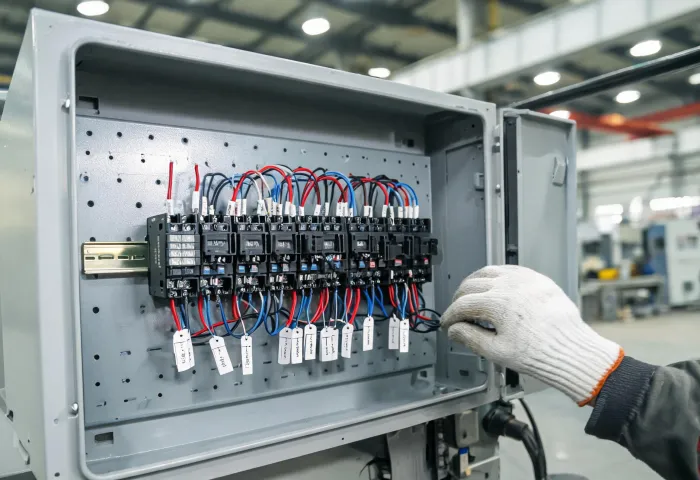
OEM machine control panel

OEM machinery

Machine builders often balance panel density, predictable replacement and repeat builds. Interface relays can separate controller outputs from field loads, while plug-in formats support service routines. Check coil current against the PLC output, account for load inrush, and document socket and retention accessories in the BOM. For exported machinery, review the precise series approvals expected by the destination market.

  • PLC output compatibility and suppression
  • Repeatable socket and marking system
  • Cabinet temperature and spacing
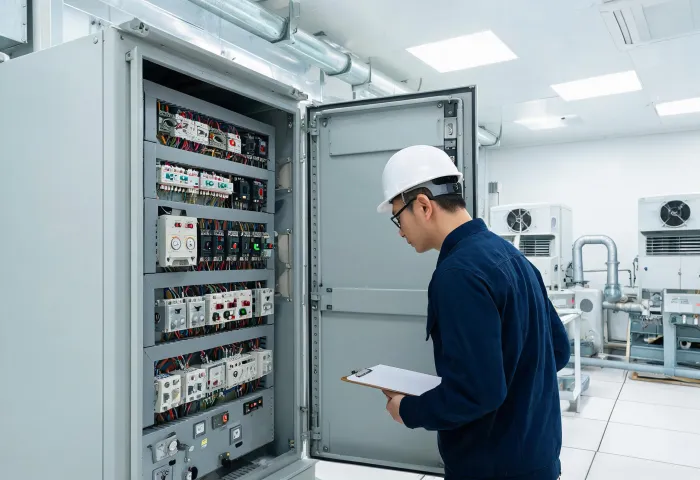
Building automation control cabinet

Commercial buildings

HVAC, lighting and pump controls can combine frequent cycling with inductive loads and long service lives. Confirm whether the stated contact rating applies to the real load category, and consider how technicians will identify and replace the device. Timers may simplify local sequencing, but the timing mode, reset behavior and supply range need to match the control narrative.

  • Inductive load and switching frequency
  • Accessible indication and replacement
  • Local code and project documentation
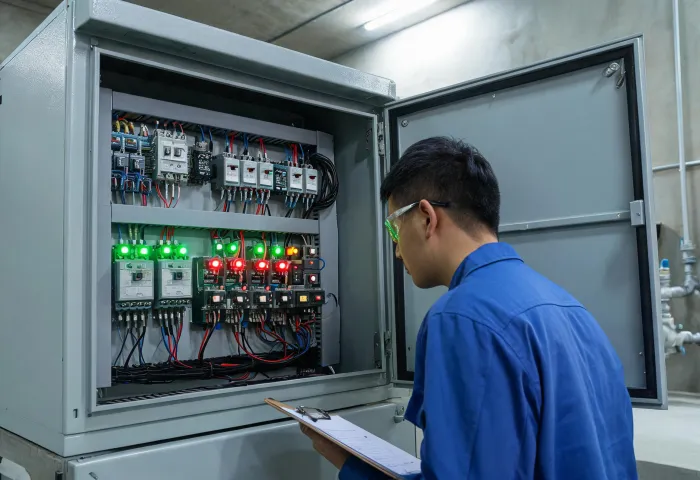
Water treatment control station

Water treatment

Pump sequencing, level alarms and remote status circuits call for clear failure behavior. Review coil supply stability, contact state under loss of power and the cabinet’s environmental protection. A relay inside an enclosure does not inherit an IP rating by itself; the installed system, terminals and enclosure design determine protection at the assembly level.

  • Fail-safe contact logic
  • Moisture, corrosion and enclosure context
  • Duty cycle and maintenance access
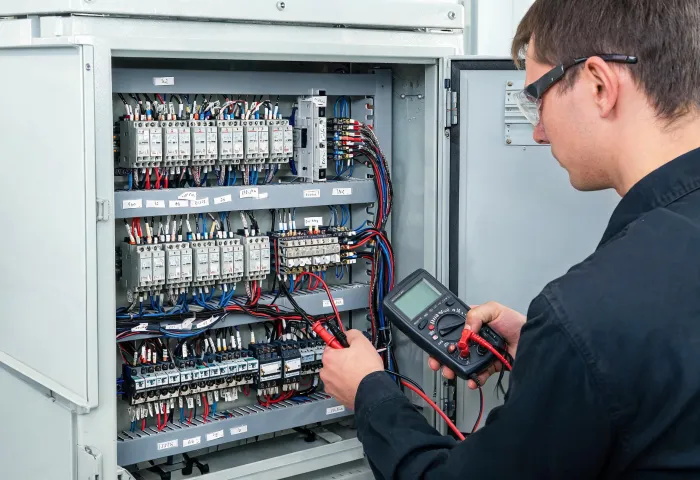
Process automation relay marshalling cabinet

Process automation

Signal marshalling and actuator control favor unambiguous terminals, diagnostic visibility and disciplined isolation boundaries. Compare leakage current, minimum switching load and suppression behavior where electronic outputs or sensitive inputs are involved. Keep relay, socket and jumper references together so a future replacement preserves the intended wiring arrangement.

  • Minimum load and electronic output behavior
  • Isolation and terminal identification
  • Spare strategy and traceable references
Quick application checklist

What should the project team confirm?

Selecting by industry name alone is too broad. A useful inquiry should answer the circuit questions below.

Describe the application in your own words.

An advisor can help translate the operating sequence into a cleaner relay and accessory inquiry.